
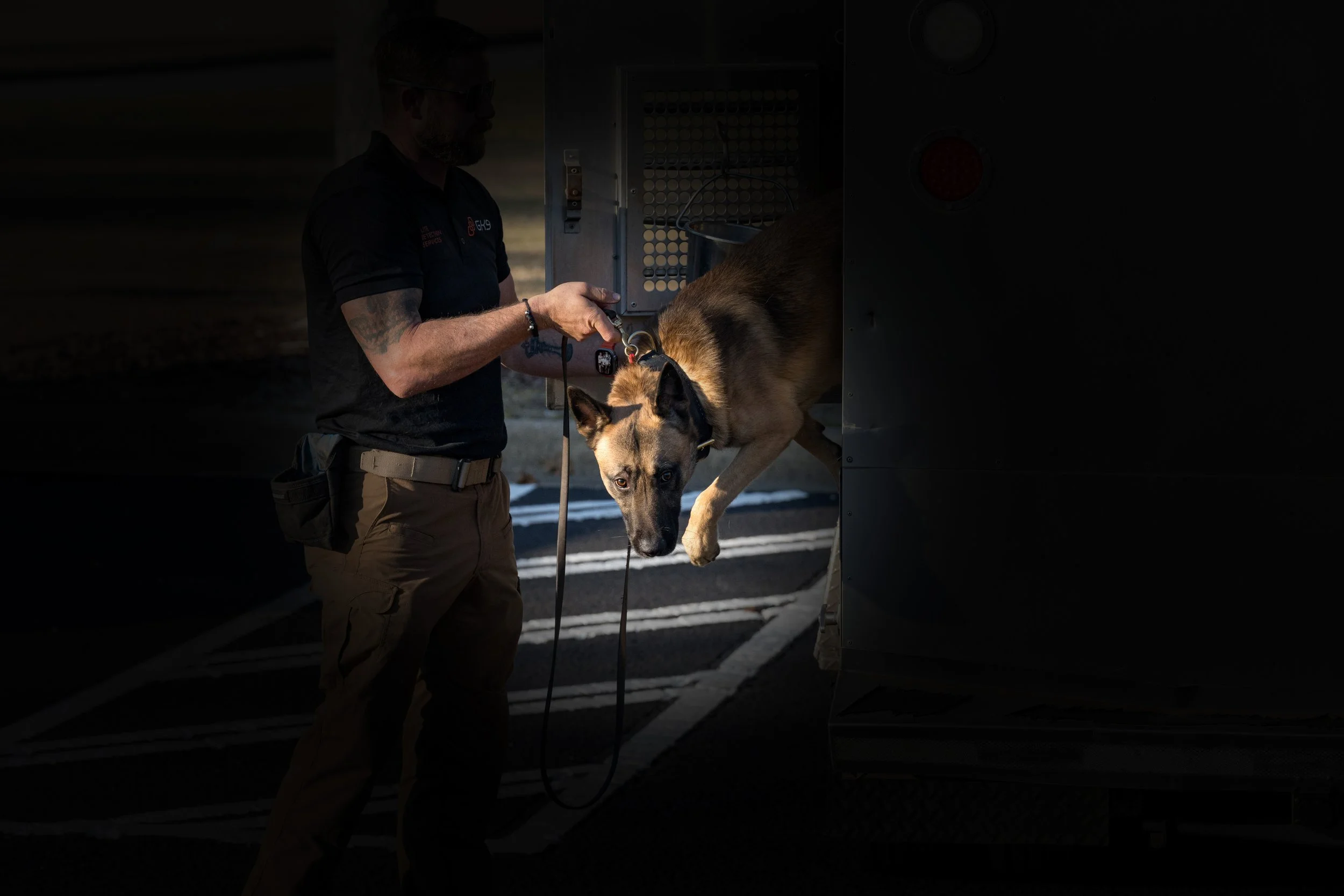
Integrating Canines into Private Security Protocols
Introduction
In an era defined by complex threat vectors, layered security is no longer optional—it’s essential. From corporate campuses and logistics hubs to healthcare facilities and large-scale events, private security leaders are increasingly integrating canine detection teams into their protocols. Detection dogs deliver a unique combination of speed, accuracy, and deterrence that technology alone cannot replicate. When properly deployed, canines become a force multiplier that enhances safety, reduces operational friction, and strengthens overall resilience.
Why Canines Matter in Private Security
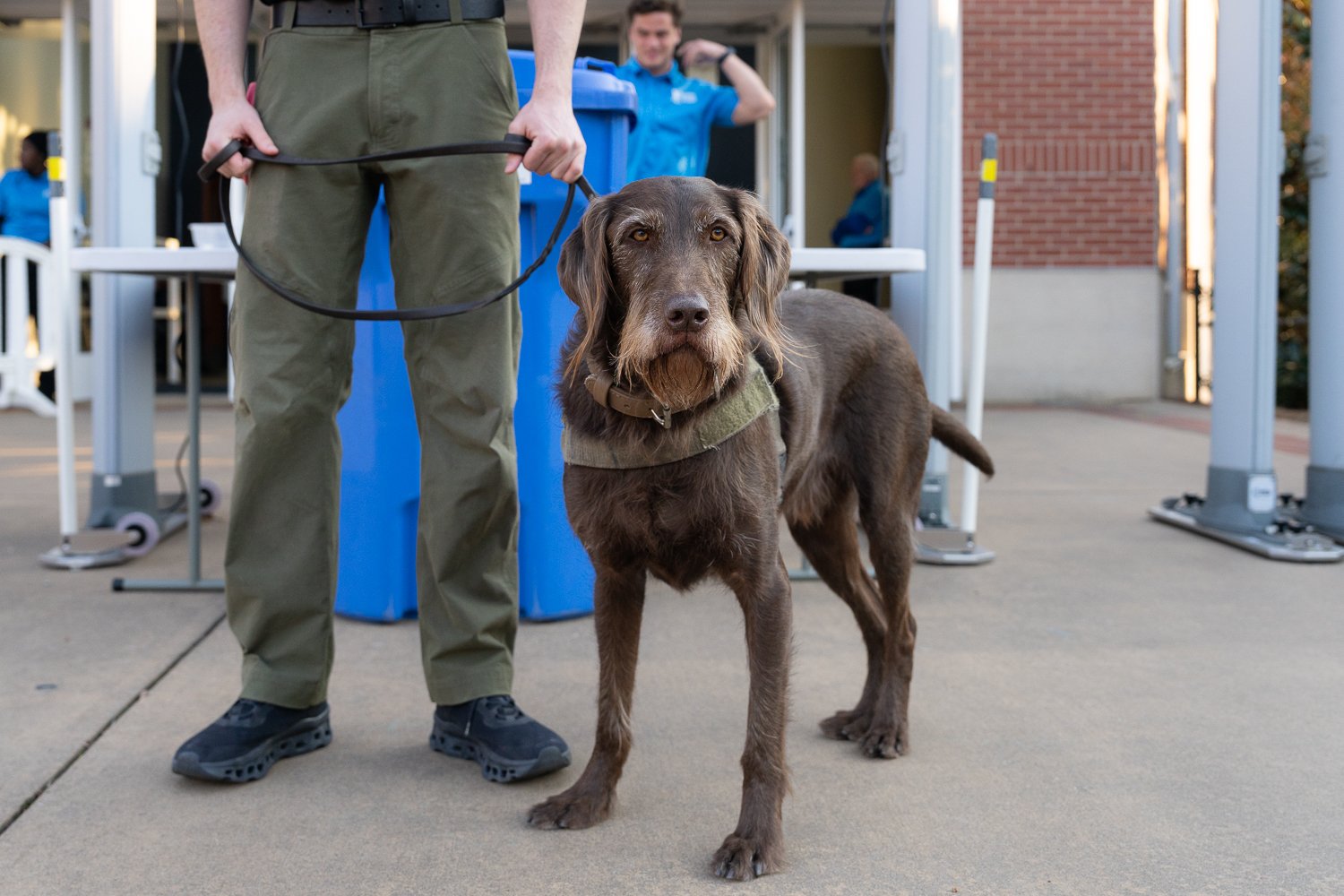
Canines possess sensory capabilities far beyond human or mechanical systems. A well-trained detection dog can screen large areas rapidly, adapt to dynamic environments, and identify threats that evade conventional tools.
Key advantages include:
Unmatched Detection Accuracy: Dogs detect trace odors of explosives, firearms, narcotics, and other contraband at extremely low thresholds.
Operational Speed: Canines screen people, vehicles, and cargo quickly, often without interrupting normal operations.
Visible Deterrence: The presence of a canine team discourages malicious activity before it occurs.
Adaptability: Dogs perform effectively indoors, outdoors, and in high-density or high-noise environments.
Training, Certification, and Compliance
The effectiveness of a canine program depends on rigorous standards. Detection dogs and handlers must undergo continuous training, certification, and performance validation.
Best practices include:
Scenario-based training that mirrors real operational environments
Regular third-party certifications and odor proficiency testing
Documented training records and operational readiness assessments
Compliance with local, federal, and industry-specific regulations
High-performing programs treat training as a lifecycle process, not a one-time milestone.
Strategic Integration: Where Canines Fit
To maximize impact, canine teams should be embedded into a broader, intelligence-led security framework not treated as standalone assets.
Common integration points include:
Access Control: Screening at entrances, checkpoints, and secure perimeters.
Mobile Patrols: Randomized sweeps of facilities, parking structures, and transit zones.
Event Security: Pre-event and live-event screening for stadiums, arenas, and public gatherings.
Logistics & Cargo: Detection of explosives or contraband in warehouses, ports, and freight operations.
When integrated with CCTV, access control systems, and human security personnel, canines can close critical coverage gaps.
Risk Reduction and ROI
From a business perspective, canine integration delivers measurable returns:
Reduced incident probability through early detection and deterrence
Lower operational disruption compared to invasive screening methods
Enhanced stakeholder confidence for clients, employees, and the public
In many environments, canine programs provide higher risk-reduction value per dollar than technology-only solutions.
Handler Integration and Professionalism
A canine is only as effective as its handler. Professional handlers are trained security operators who understand threat assessment, client interaction, and operational discipline.
Handlers must be integrated into:
Command-and-control structures
Incident response protocols
Client-facing professionalism standards
This ensures canine teams operate seamlessly alongside guards, supervisors, and emergency responders.
The Future of Canine-Enabled Security
As threats evolve, so do detection methodologies. Advanced scent imprinting, data-driven deployment models, and integration with analytics platforms are shaping the next generation of canine security. Organizations that adopt these capabilities early gain a strategic advantage in both safety and reputation.
Companies such as GK9 exemplify this approach by integrating elite detection canines into scalable, compliant private security solutions across critical infrastructure, healthcare, logistics, and public venues.
Conclusion
Integrating canines into private security protocols is no longer a niche capability—it’s a proven best practice. When professionally trained, properly certified, and strategically deployed, detection dogs enhance security effectiveness while preserving operational flow. For organizations serious about proactive risk management, canine teams are not just an option—they’re a competitive advantage.